
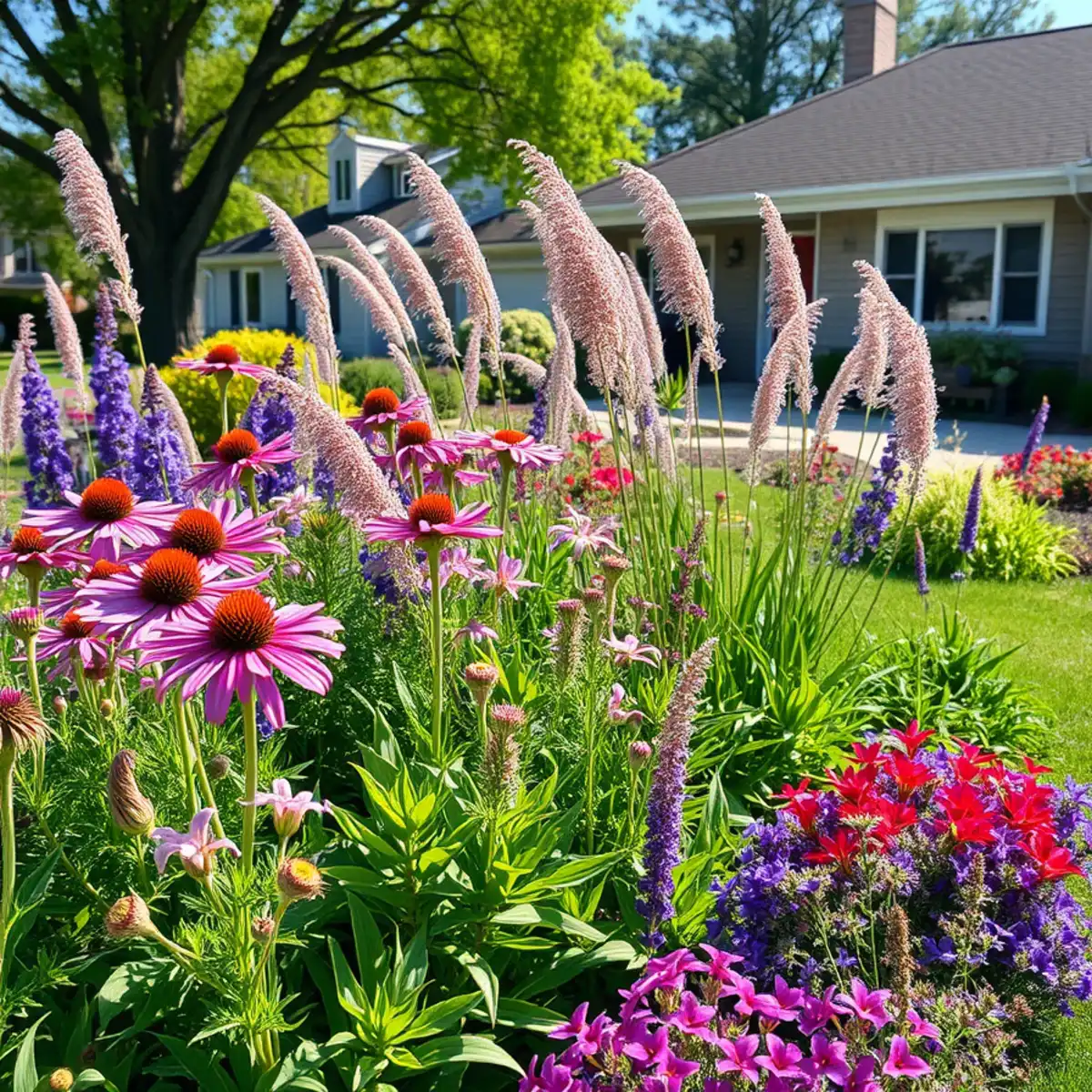
 Planting & Gardens
 May 6, 2025 7 min read
15 Best Plants for a Wisconsin Zone 5 Landscape
A working list of fifteen plants that earn their place in a Fox Valley yard — hardy through our winters, forgiving of clay, and heavy on natives.
Read article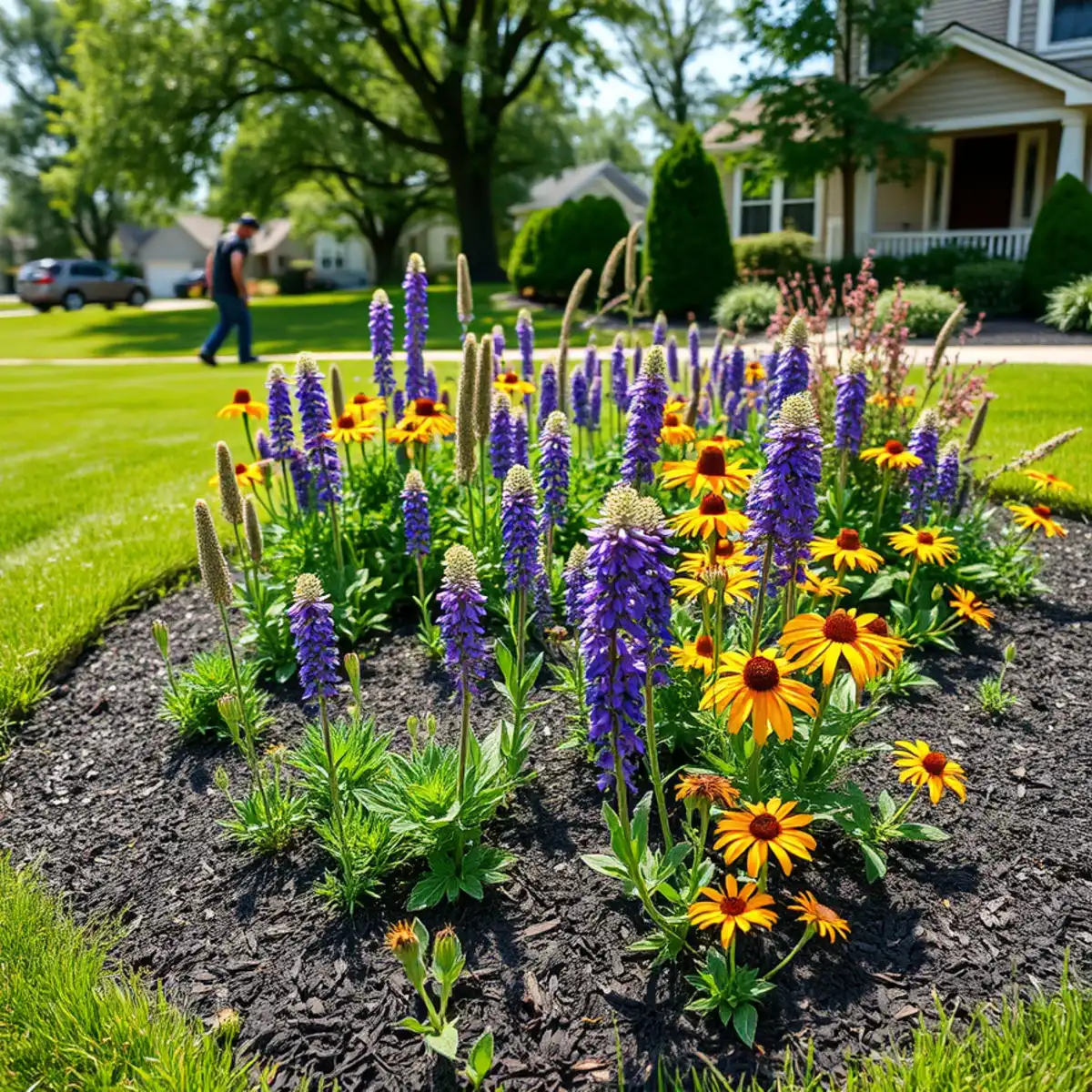
The right plants in the right places give you a yard that gets better every year — with less watering, less replacing, and less fuss.
Planting is where a landscape comes alive, and it is also where a lot of money gets wasted. Homeowners buy pretty plants that were never meant to survive a Fox Cities winter, put them where the sun or soil is wrong, and replace them again the next spring. We plant to last.
Softscaping is our word for all the living parts of your landscape — the trees, shrubs, perennials, grasses, and groundcovers, plus the soil and mulch that keep them healthy. Planting is one of our core services, and we approach it like the local experts we are, because a plant that thrives in Ohio can die in an Appleton January.
We design beds that give you color from the first spring bloom to the last fall grass, feed the pollinators, and keep their good looks with a fraction of the upkeep of a poorly planned garden.
Constantly replacing dead plants means the wrong species, wrong spot, or poor soil. Right-plant-right-place ends the cycle.
Thin, patchy beds or a jungle of overgrown shrubs both signal a plan that never balanced the plants to the space.
A landscape that wilts without daily watering is fighting the climate. Native and drought-tough plants slash that demand.
If the color quits by midsummer, the bed lacks succession planting. We plan for interest spring through fall.
Under Appleton's mature oaks and maples, most nursery plants fail. Shade-tolerant natives are the answer.
We assess sun, shade, drainage, and soil across your yard, because those conditions decide what will actually thrive where.
We design beds with a Zone-4-hardy backbone, at least 30 percent natives, and succession blooms so there is interest in every season.
We amend and prepare the soil before anything goes in the ground — the step that decides whether new plants establish or struggle.
We plant at the right depth and spacing for mature size, timed to the season — early fall and late spring are the prime windows here.
We mulch to hold moisture and insulate roots, then hand you a simple care plan tailored to exactly what we planted.
Appleton sits in USDA Zone 5a/5b, where winter lows reach fifteen to twenty below. We build every planting plan on a backbone of Zone 4-rated plants — hardy to thirty below — so a hard winter does not wipe out your beds. The tender Zone 5b picks get used only in protected microclimates near a warm south-facing wall.
We aim for at least 30 percent native Wisconsin plants — coneflower, little bluestem, nannyberry, serviceberry, native ferns, and more. Natives are adapted to our soil and climate, so once established they need far less water, fertilizer, and replacing than exotics, and they feed the bees, butterflies, and birds that make a garden feel alive.
Timing matters too. Early fall is the best planting window here — warm soil, cool air, and less transplant shock — with late spring a close second. And before winter, three inches of shredded hardwood mulch insulates roots against the freeze-thaw heaving that pushes shallow-rooted plants out of the ground.
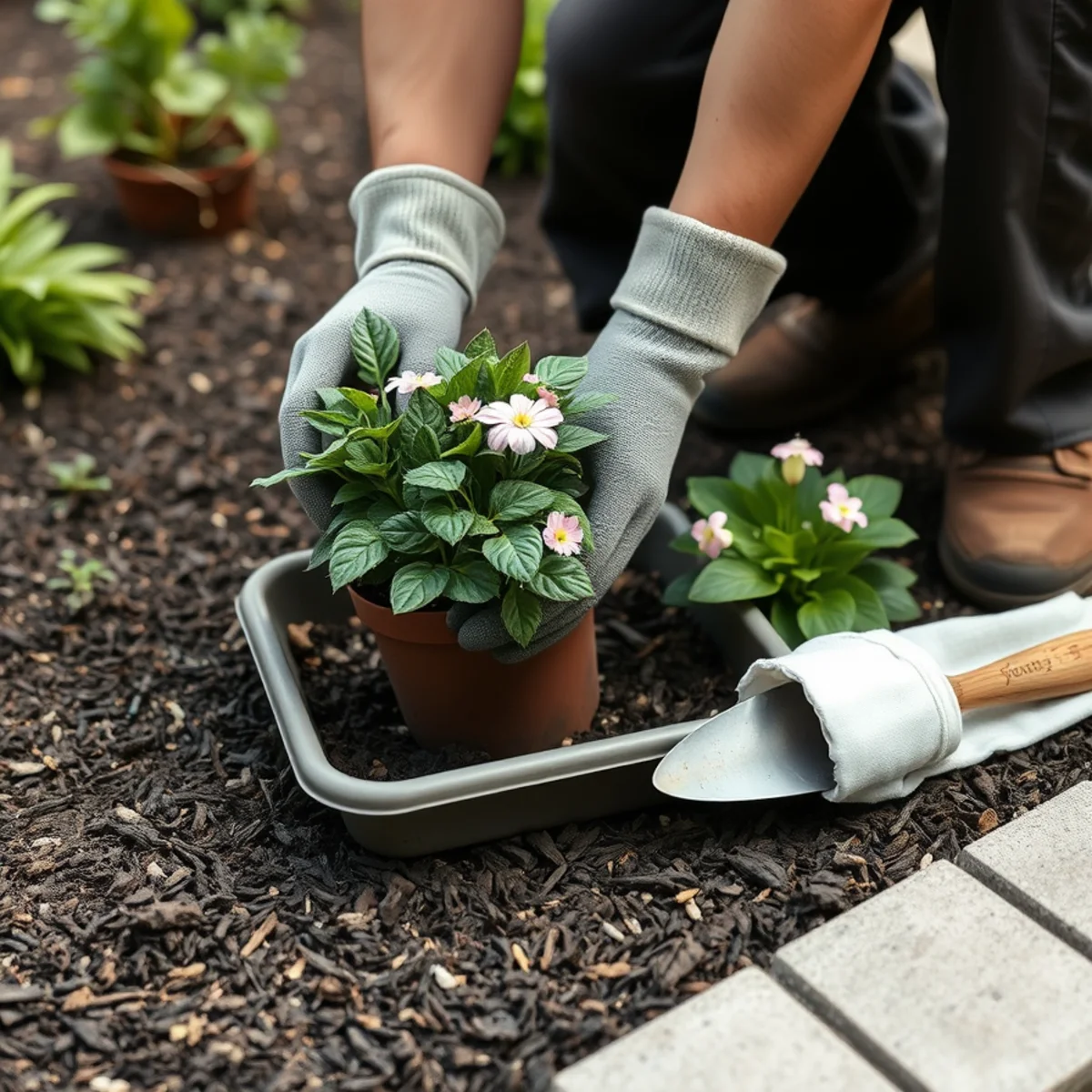
Planting projects range from refreshing a single bed to installing a whole yard of gardens, trees, and shrubs. A few factors drive the number.
More beds and more plants cost more, and denser, fuller designs use more material up front.
Larger, more mature trees and shrubs give instant impact but cost more than younger nursery stock that fills in over time.
Poor or compacted soil needs more amendment and prep before planting, which affects the total.
Bed edging material and mulch type round out a planting project and factor into the quote.
We will design a planting plan to your budget and provide a written, line-item quote — including the soil prep and mulch that make it last.
Early fall is ideal — warm soil and cool air mean less transplant shock, and roots establish before winter. Spring after the mid-May frost is the next-best window. We plant in both seasons and time your project accordingly.
Natives are adapted to our soil and winters, so once established they need far less water, fertilizer, and replacement — and they support local pollinators. We design for at least 30 percent natives while still giving you the color and variety you want.
Yes. We build plans on Zone-4-hardy plants as a safety margin below our 5a/5b rating, so your beds shrug off a hard winter. Tender picks only go in protected spots where they have a real chance.
We provide a care plan for exactly what we plant, and we offer seasonal maintenance if you would rather not handle pruning, mulching, and cleanups yourself.
A custom, buildable plan for your whole yard — drainage, plantings, and hardscape that fit your property and our climate.
Learn moreFrench drains, dry creek beds, rain gardens, and regrading that end standing water in our clay soil for good.
Learn moreMowing, fertilization, bed care, and seasonal upkeep that protect your landscape investment all season long.
Learn morePlanting & GardensA working list of fifteen plants that earn their place in a Fox Valley yard — hardy through our winters, forgiving of clay, and heavy on natives.
Read article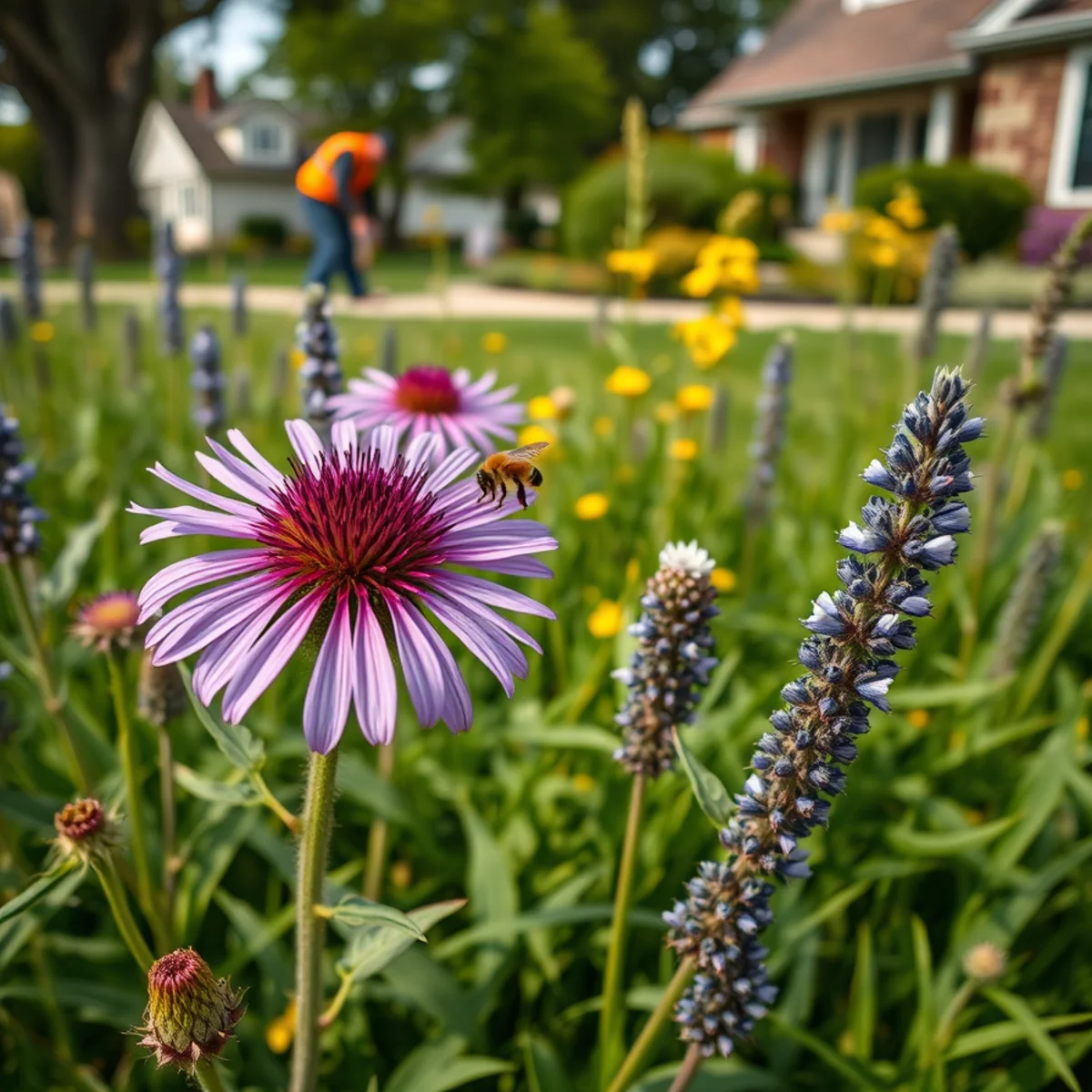 Planting & Gardens
Native plants are built for our clay, our winters, and our pollinators. Here is why they belong in Fox Valley yards, and the ones that perform best.
Read articleWe provide planting & gardens for homeowners throughout the Fox Valley. Find your community for local details:
Get a free, no-obligation estimate from the owner. Serving Appleton and the Fox Cities for 20+ years.