Winter does not care whether your landscape is ready for it. The homeowners whose yards bounce back green and healthy in April are the ones who put in a little work the previous October.
Fall winterization is about protecting the investment already in your yard. Frost heaves shallow-rooted plants out of the ground. Water left in irrigation lines cracks pipes. Snow and ice test your hardscape. A handful of well-timed tasks heads all of that off.
The clock is real. Our first frost usually arrives in late September, and the ground freezes not long after. Everything below needs to happen before that freeze locks the yard down. Here is the Fox Cities checklist, in sequence.
Key Takeaways
- Lay about 3 inches of shredded hardwood mulch before winter to insulate roots against frost heave.
- Schedule your irrigation blowout by mid-October so no water is left to freeze and crack the lines.
- Cut back most perennials, but leave seed heads and hollow stems that feed birds and shelter pollinators.
- Clear drains, keep de-icing salt off pavers, and give plants a final deep watering before the freeze.
The Fall Timeline
Fall work is a race against the freeze, and the order matters. Our first frost lands around late September, but a killing frost and frozen ground come later — usually through October into November. That gives you a working window, but it closes fast in a cold year.
The sequence we follow: cut back and clean up first, get the final deep watering and irrigation blowout done, then mulch, and finish any hardscape protection. Front-loading the cleanup means the mulch goes down on tidy beds and nothing gets buried you meant to trim. A structured seasonal cleanup rolls these steps into one pass so nothing slips past the freeze.
Mulch Before the Ground Freezes
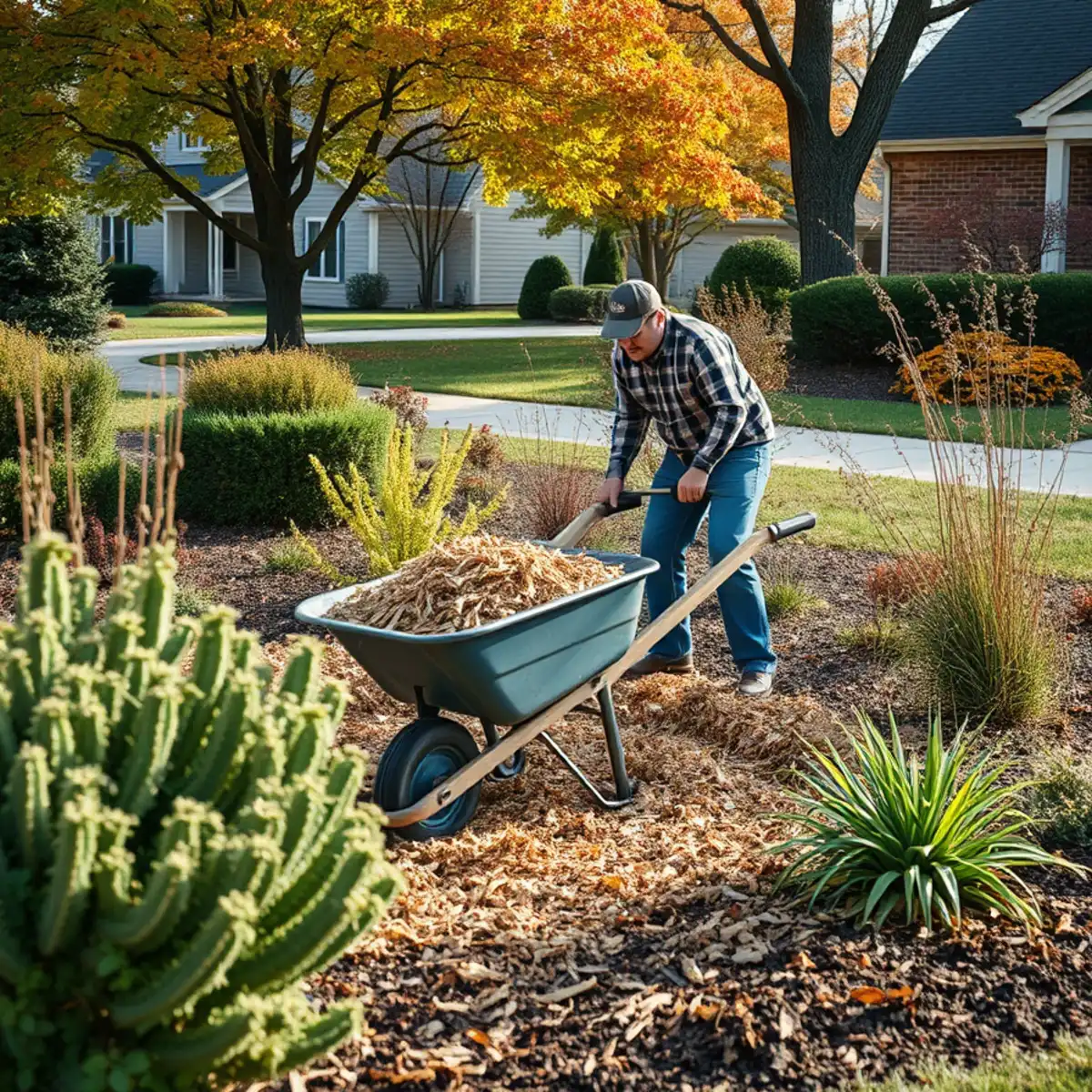
Mulch in fall is not about looks — it is insulation. Its job is to keep soil temperature steady so it does not repeatedly freeze and thaw. That freeze-thaw cycle literally pushes shallow-rooted perennials up out of the ground, snapping roots and leaving crowns exposed to dry winter wind.
Lay about 3 inches of shredded hardwood mulch over beds after the ground has chilled but before it freezes hard. Keep it a few inches back from stems and trunks so you are not inviting rot or rodents against the bark. Newly planted perennials and anything you added this year benefit most, since their roots have not fully anchored. This is one of the highest-return jobs in the fall, and the cheapest insurance against spring losses.
Irrigation Blowout and Final Watering
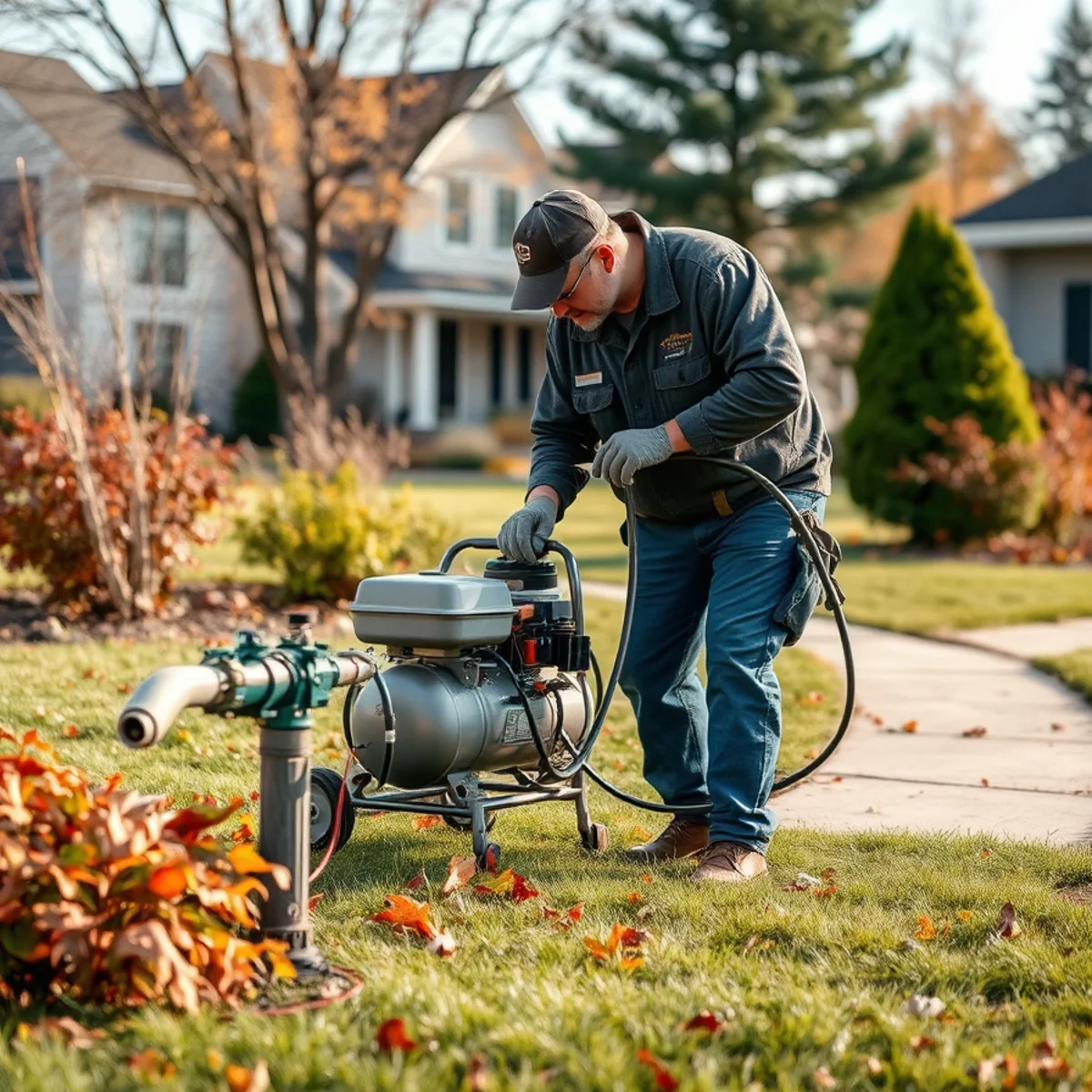
If you have an in-ground sprinkler system, the most urgent fall task is the blowout — using compressed air to clear every drop of water from the lines, valves, and heads. Any water left behind freezes, expands, and cracks pipes and fittings. Those repairs are expensive and entirely avoidable.
Get the blowout done by mid-October, before the first hard freeze. Just before it, give trees, shrubs, and especially evergreens one long, deep soaking. Evergreens keep losing moisture through their needles all winter and go into the freeze thirsty otherwise, browning out by spring. Coordinate the final watering and the shutdown with your lawn care and maintenance schedule so you are not blowing out the lines and then wishing you had watered.
Perennial Cutback — With Restraint
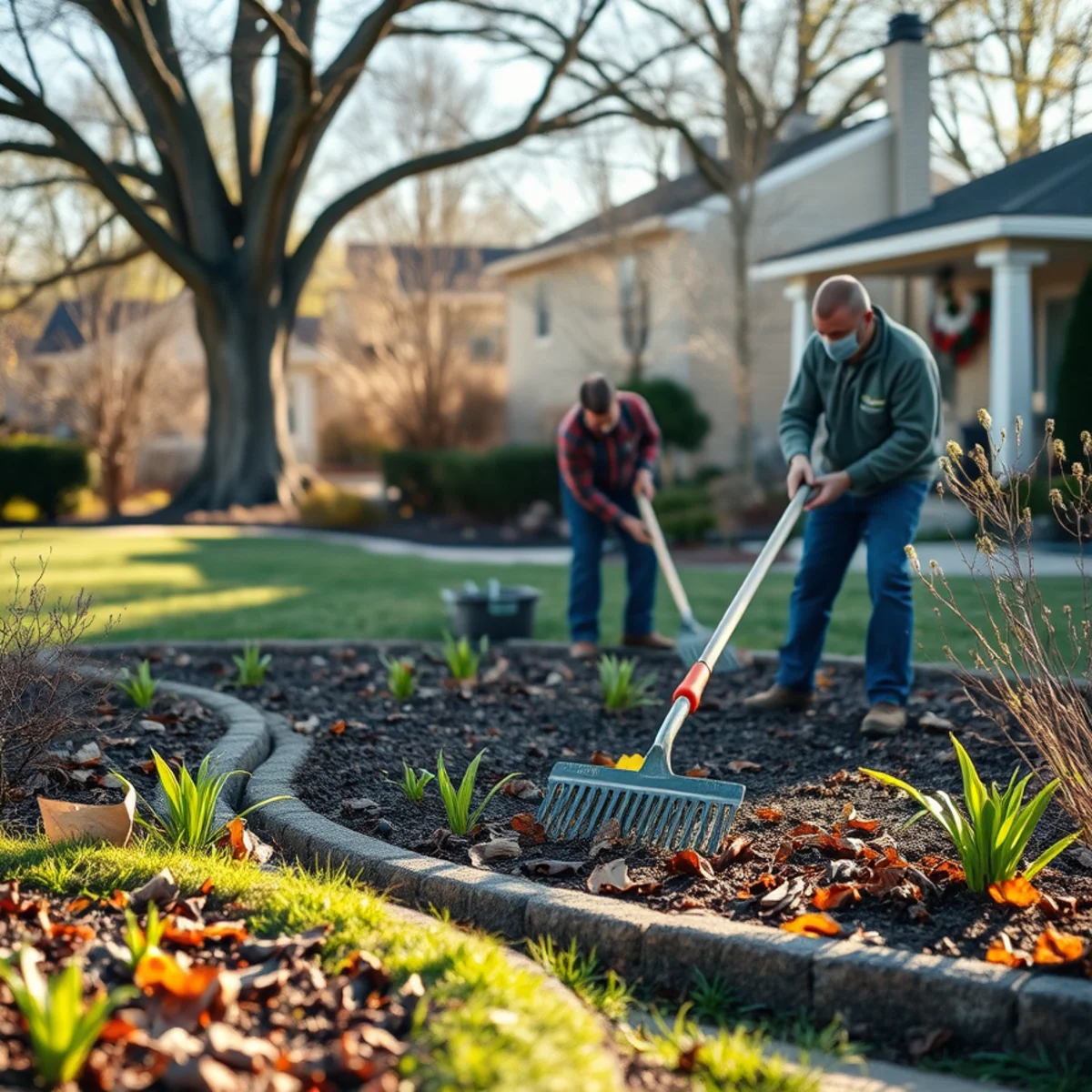
Fall is the time to cut back most perennials to a few inches, clearing spent foliage that would otherwise mat down and harbor disease. Peonies, hostas, daylilies, and anything that flops and rots want cutting.
But do not scalp the whole garden. Leave ornamental grasses standing for winter movement and structure. Leave seed heads on coneflower, black-eyed Susan, and similar natives — birds feed on them through the cold months. Hollow stems shelter native bees. A little strategic mess is good for wildlife and gives the winter yard something to look at. Our planting and softscaping team knows which to cut and which to leave, so the garden supports pollinators without looking neglected.
Protecting Hardscape and Young Trees
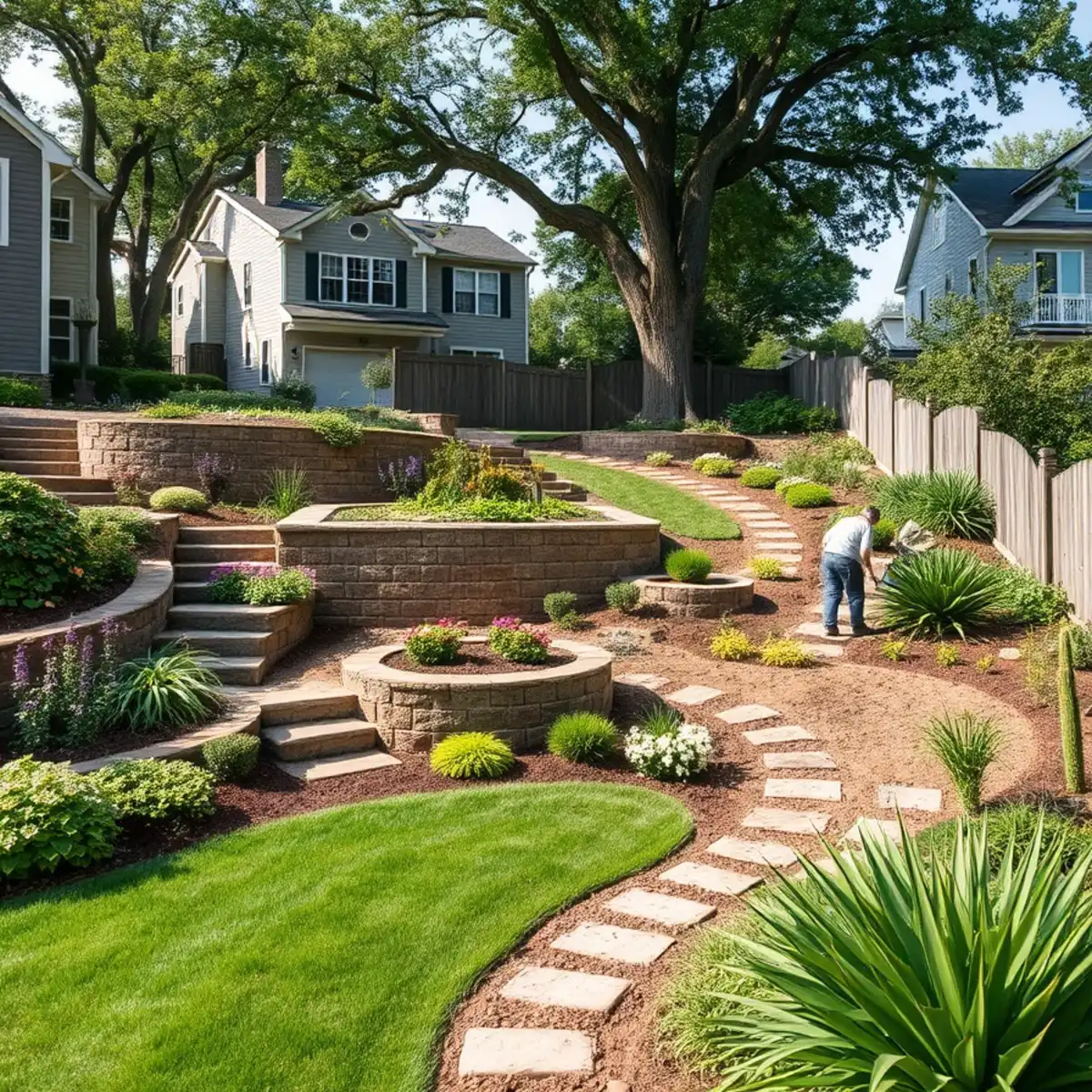
Your patios, walls, and walkways face their own winter test. Make sure surface drains and channels are clear of leaves so meltwater flows instead of pooling and refreezing. Standing water that freeze-thaws in joints is what works pavers loose over time.
Go easy on de-icing salt near pavers and plantings — it pits some surfaces and burns nearby turf and roots. Sand or a plant-safe de-icer is gentler. Wrap the trunks of young, thin-barked trees to prevent sunscald and gnawing critters, and cage anything rabbits and deer favor. These small steps protect the hardscape and specimens you invested in across Appleton and Kimberly yards, so spring starts with repair-free surfaces and intact plants.
Want a hand with your project?
The owner offers free, no-obligation estimates across Appleton and the Fox Cities.
Frequently Asked Questions
Aim to finish before the first hard freeze and frozen ground, which typically arrive through October into November. Irrigation blowouts should be done by mid-October. Mulch goes down after the soil chills but before it freezes solid. A cold year shortens the window, so earlier is safer.
Cut back most, but leave some behind on purpose. Ornamental grasses add winter structure, and seed heads on coneflower and black-eyed Susan feed birds. Hollow stems shelter native bees over winter. Clearing everything removes wildlife habitat and winter interest, so leave strategic pieces standing.
Mulch insulates the soil so it doesn't repeatedly freeze and thaw. That freeze-thaw cycle heaves shallow-rooted perennials out of the ground, breaking roots and exposing crowns. About 3 inches of shredded hardwood, laid before the ground freezes hard, is cheap insurance against losing plants over winter.
No. Shutting off the supply doesn't remove the water already sitting in the lines, valves, and heads. That trapped water freezes, expands, and cracks the system. A proper blowout uses compressed air to clear every zone. It's the one fall task most likely to cause expensive damage if skipped.
Related Services & Areas
Services

Written by the team at Down To Earth Landscaping, an owner-operated landscaping company serving Appleton and the Fox Cities for over 20 years. We design, build, and maintain outdoor spaces built for Wisconsin's climate.